
When most people think about ecommerce, they think about the website.
The homepage, product pages, shopping cart, checkout experience, and branding are often the most visible parts of an online business. They are also the areas that receive the most attention during the planning stages of a new ecommerce project.
However, after working with retailers, wholesalers, distributors, and fulfilment operations, we've observed that the website itself is often the easiest part of the equation.
The real challenge begins once the business starts to grow.
What Happens as a Business Grows?
Many businesses begin their ecommerce journey with relatively simple requirements:
- A product catalogue
- A shopping cart
- Online payments
- Basic order management
For a period of time, this works extremely well.
As the business grows, however, new operational requirements emerge.
A retailer may open additional branches.
A wholesaler may need to offer different pricing to different customer groups.
A business may begin offering both delivery and collection.
Inventory may be distributed across multiple locations.
Customers may require support, returns processing, account management, and ongoing communication.
Each new requirement introduces additional complexity.
What started as a simple online store gradually becomes a much larger operational system.
The Hidden Complexity Behind Every Order
From a customer's perspective, placing an order appears simple.
They browse products, add items to their cart, complete payment, and wait for delivery or collection.
Behind the scenes, however, several processes may be taking place simultaneously:
Inventory Management
The system must determine:
- Whether stock is available
- Which location holds the stock
- Whether stock should be reserved
- Whether stock needs to be transferred between locations
Fulfilment Decisions
The business must decide:
- Which branch will fulfil the order
- Whether the order qualifies for collection
- Which delivery options should be offered
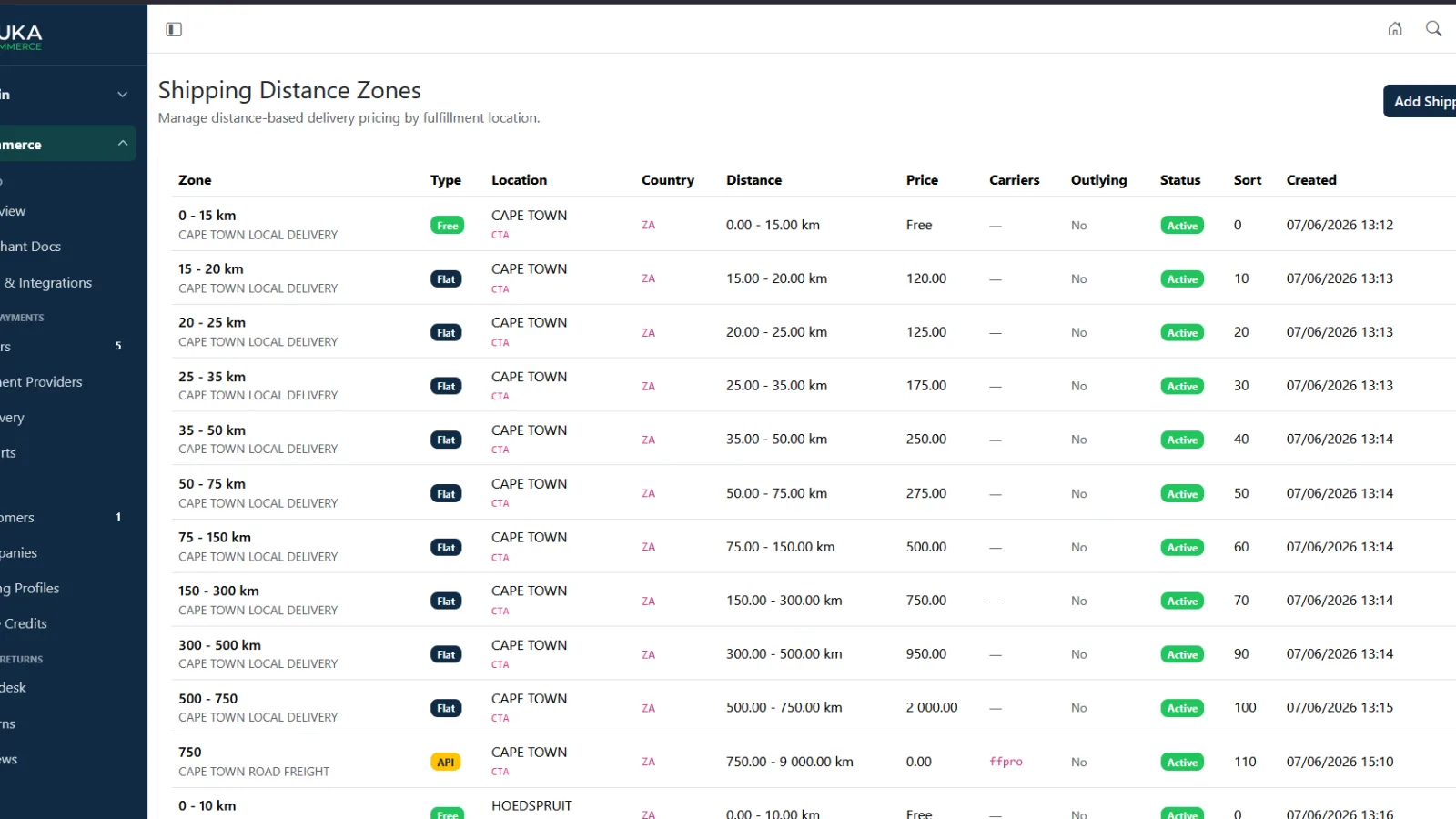
- What shipping cost should be charged
Customer Management
Different customers may have different requirements:
- Retail customers
- Wholesale customers
- Corporate account holders
- Customers with special pricing agreements
- Tax-exempt customers
Communication and Support
Customers expect:
- Order updates
- Delivery notifications
- Support channels
- Return processes
- Fast issue resolution
Each of these areas requires systems, processes, and visibility.
The Problem with Multiple Systems
As businesses scale, they often solve problems by adding more software.
A platform for ecommerce.
A separate inventory system.
A support desk.
A marketing tool.
A reporting solution.
A courier integration.
An accounting package.
While each system may be excellent in its own right, the business often ends up managing a collection of disconnected tools.
This can result in:
- Duplicate data entry
- Inconsistent information
- Increased administrative overhead
- Reduced visibility
- Higher operating costs
Most importantly, it creates friction for the people who rely on these systems every day.
Why We Built Vuka Commerce
Vuka Commerce was created because we believe ecommerce should be more than a website.
Businesses need tools that support their operational reality.
They need visibility across inventory, orders, fulfilment, customer relationships, support interactions, and growth activities.
Rather than treating ecommerce as a standalone storefront, we believe it should form part of a broader commerce platform that helps businesses manage the entire customer journey.
Our goal is to provide a practical solution that supports how businesses actually operate, particularly those with:
- Multiple locations
- Complex fulfilment requirements
- Collection and delivery services
- Customer account structures
- Growing operational demands
Looking Ahead
The ecommerce landscape continues to evolve.
Customers expect convenience, transparency, and speed.
Businesses need systems that can adapt as they grow.
While attractive storefronts remain important, the long-term success of an ecommerce operation is often determined by what happens behind the scenes.
The businesses that thrive are typically those that build strong operational foundations alongside great customer experiences.
At Vuka Commerce, that's exactly where our focus lies.
Have you experienced operational challenges as your ecommerce business has grown? We'd love to hear about the systems and processes that have had the biggest impact on your business.